HOW DRU CATCH SEES IT
The 60-Day Conspiracy Rule Nobody Admits Exists
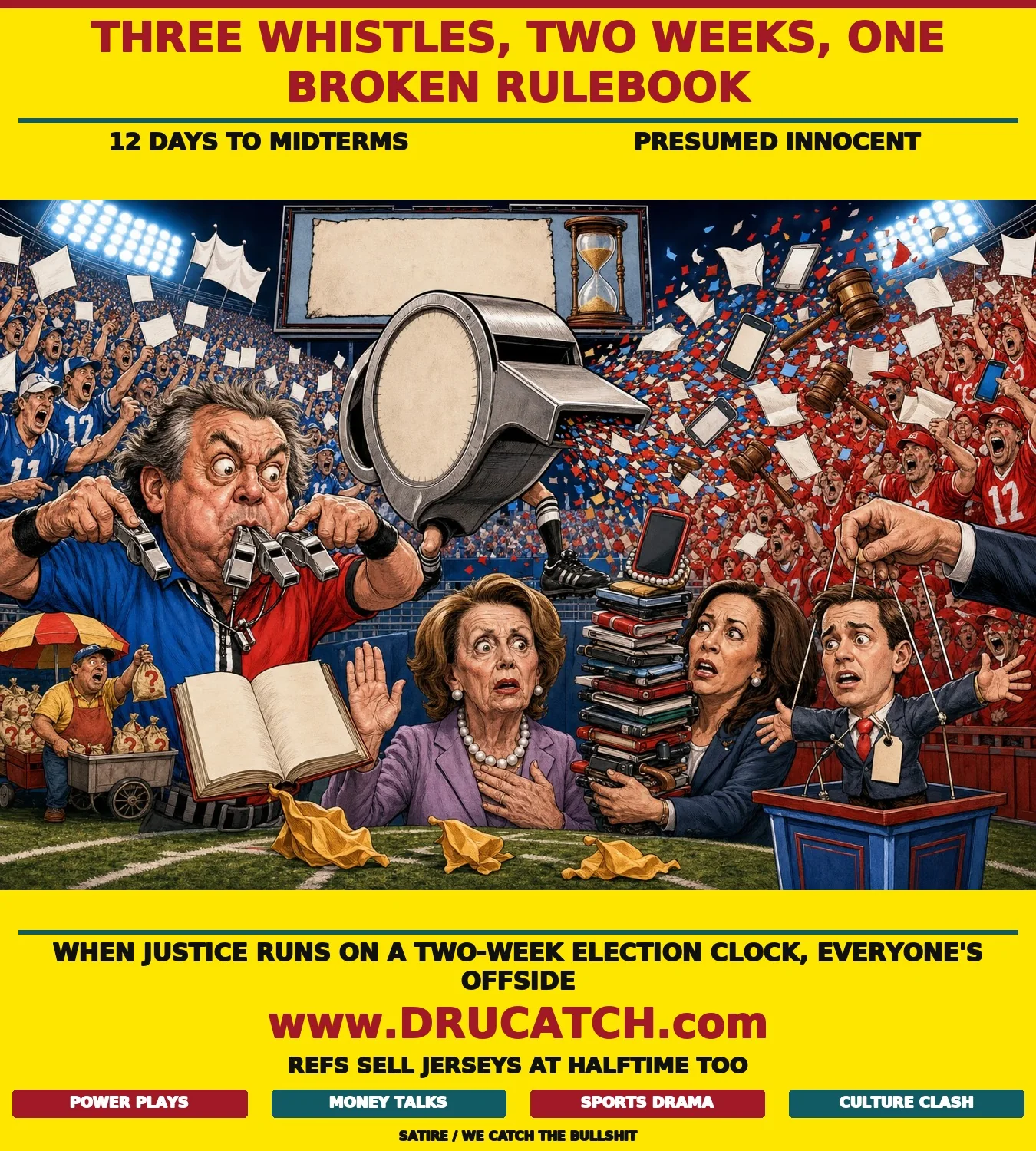
America has developed an unofficial constitutional amendment that nobody voted on: any federal law-enforcement action within 60 days of an election is automatically either courageous accountability or cynical election interference, depending entirely on which team jersey you pulled on that morning. The remarkable thing is not that this interpretation exists - it is that both versions are deployed simultaneously, with total sincerity, by people who would flip their entire argument if the party labels were reversed.
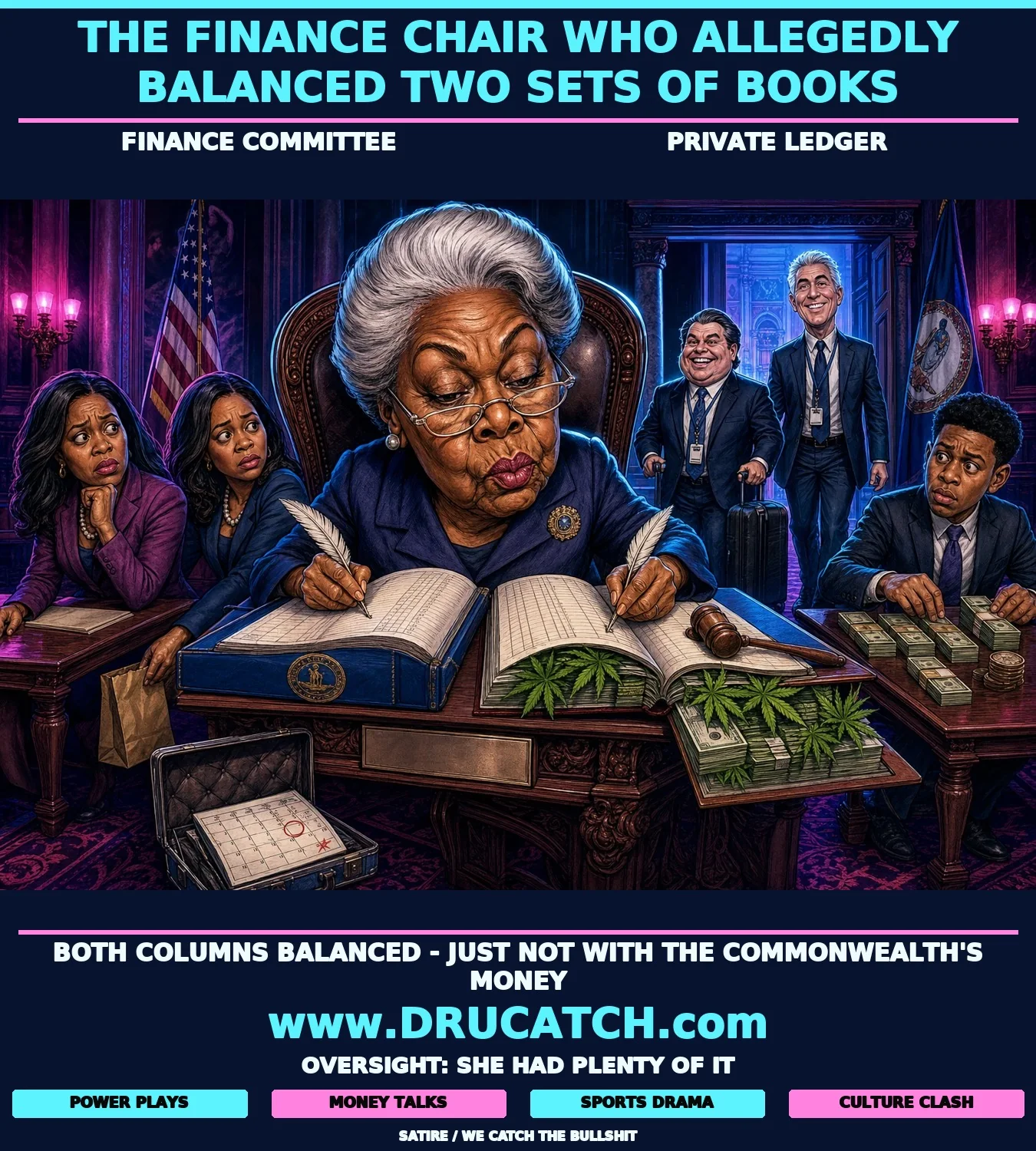
Lucas called her federal indictment an effort to intimidate political opposition. AG Todd Blanche denied political payback. And here is the structural problem: Blanche's denial is identical in form to every denial issued in every pre-election prosecution of any party, ever. The denial cannot resolve the suspicion by design, because the suspicion is not actually about evidence - it is about timing. The calendar itself became the argument.
Raids, Debates, and the News-Cycle Blender
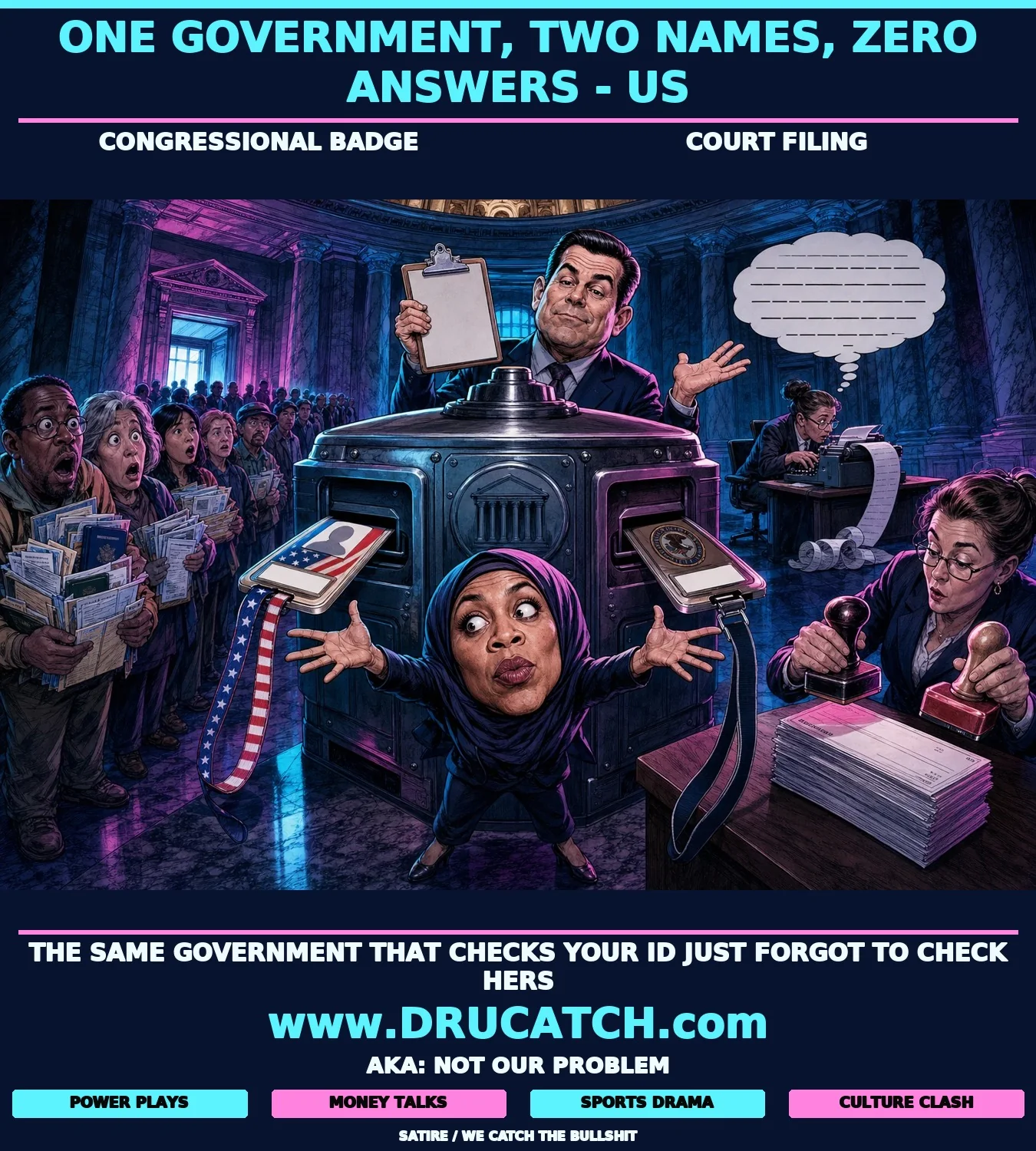
Omar's framing of the pre-dawn raid as an attempt to 'freak all of us out' is at least honest about what pre-dawn raids are engineered to do psychologically - that part is not controversial. Whether the specific legal basis behind this particular raid was legitimate, politically motivated, or both is a question still working its way through courts that, refreshingly, do not run on a two-week electoral news cycle.
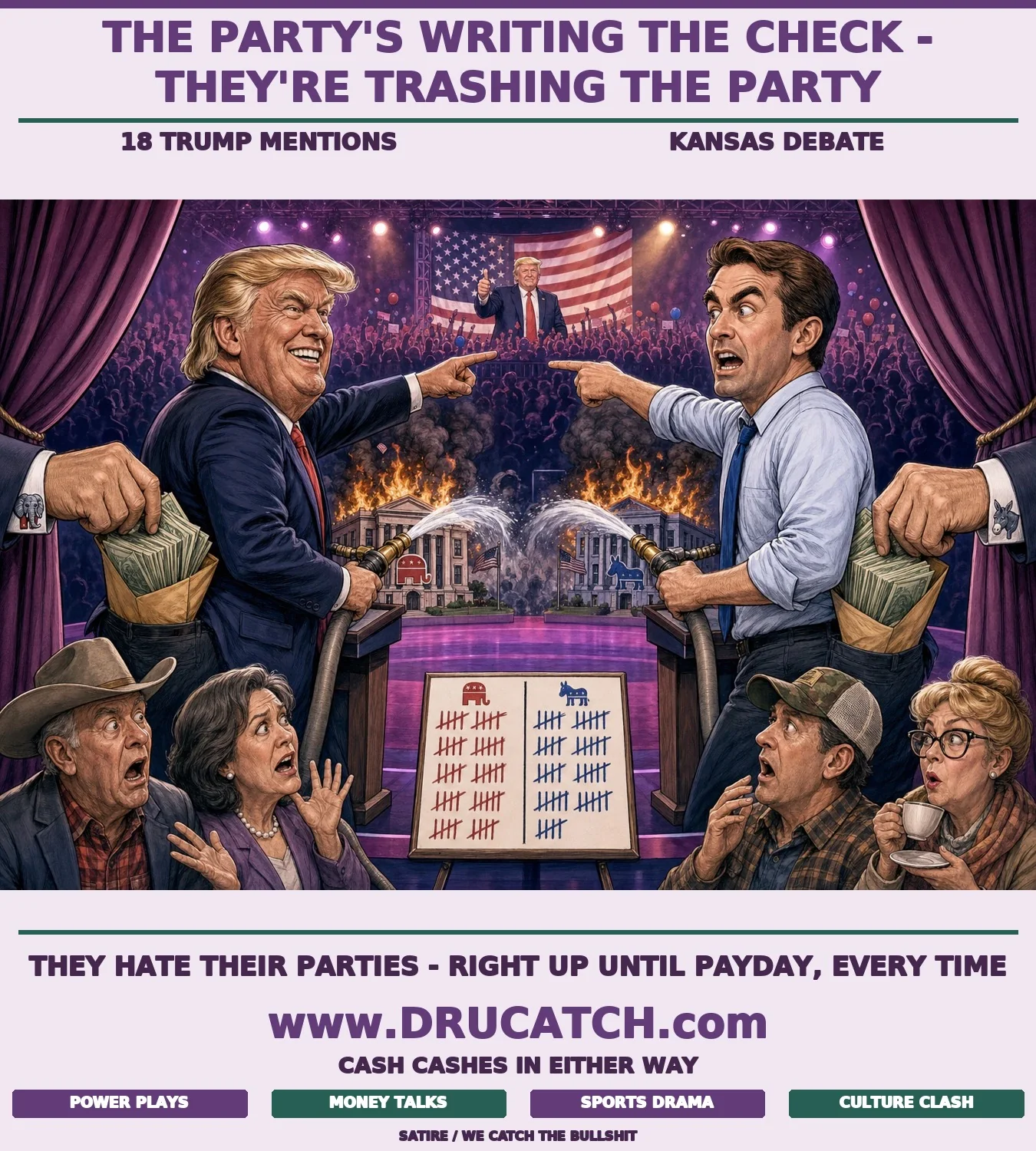
Meanwhile, in Michigan, El-Sayed mentioned Trump 18 times in a single Senate debate hour - which is either a disciplined campaign strategy or the political equivalent of invoking your opponent's landlord every time someone asks about the plumbing. Rogers, a former FBI agent, countered with national security allegations El-Sayed vigorously denies. AIPAC dropped a last-minute donation for Rogers. The seat being vacated by Democrat Gary Peters was already consequential; the debate generated 'fallout,' though whether that fallout helped or hurt either candidate is genuinely contested.
The Scoreboard Nobody Owns But Everybody Reads
The episode packaging all three stories under 'Democrats in MAJOR trouble' is, itself, the most instructive thing about how pre-election journalism functions. Three legally and factually distinct situations - an indictment with seven defendants, a federal search with disputed legal basis, and a Senate debate - became a single genre entry: the midterm-eve bombshell compilation.
The stories might each be significant on their own terms. Bundled as a team-score update, they collectively illustrate the one thing everyone in this cycle agrees on without realizing it: the election calendar is the only clock anyone is actually watching. Federal charges, law-enforcement searches, and Senate debates are assigned meaning not by their facts but by their proximity to November. That is not accountability. That is just sports radio with subpoenas.

THE COMMENTS SECTION HAS ENTERED THE CHAT
If the same federal indictment, home raid, and debate controversy had landed on three Republican candidates 12 days before a midterm, would the arguments about "political timing" and "weaponization of justice" swap sides entirely - and does that symmetry tell us anything useful about whether the timing actually matters?
Join the discussion / save / share