HOW DRU CATCH SEES IT
Five Races, Zero Preferred Nominees
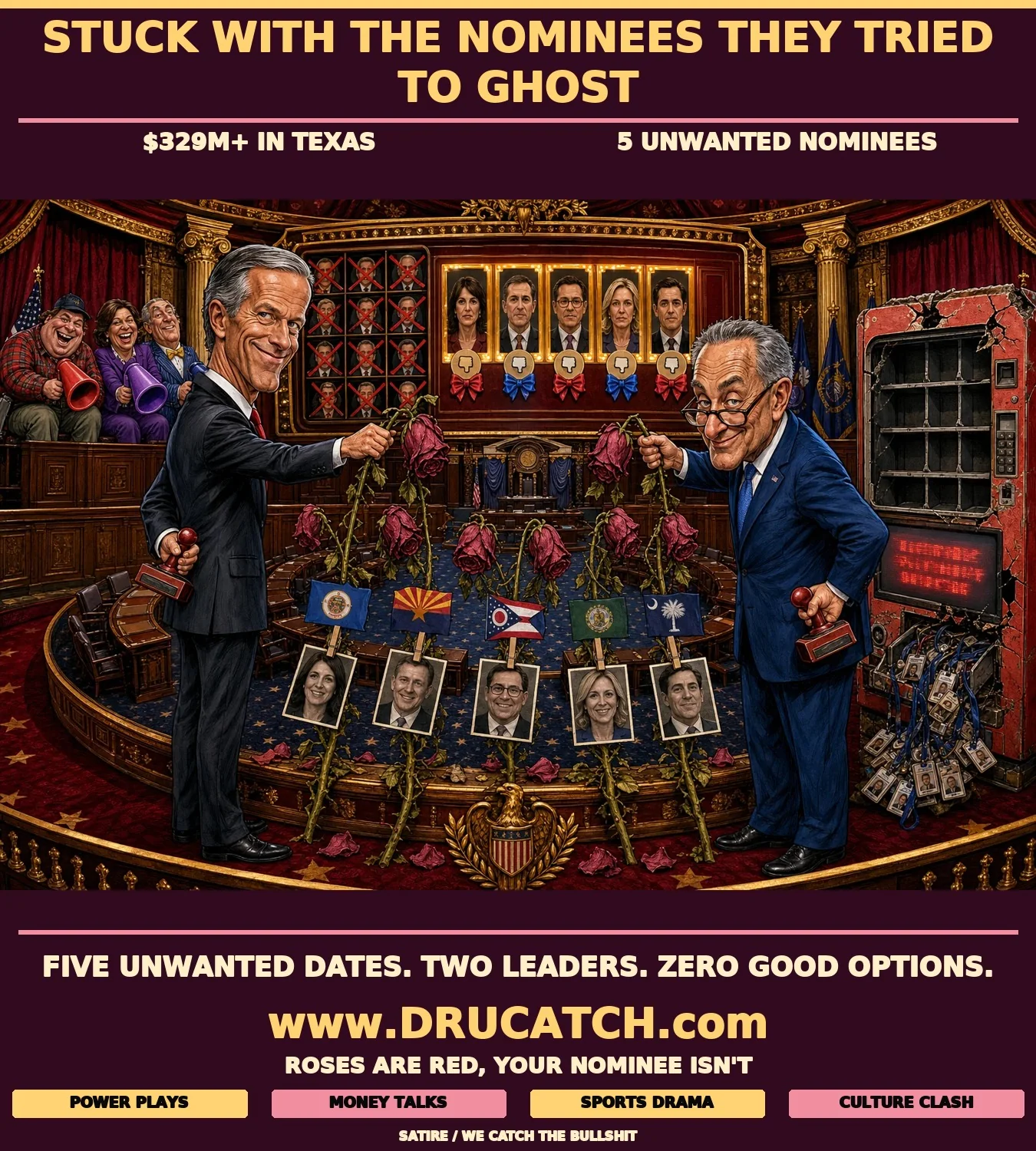
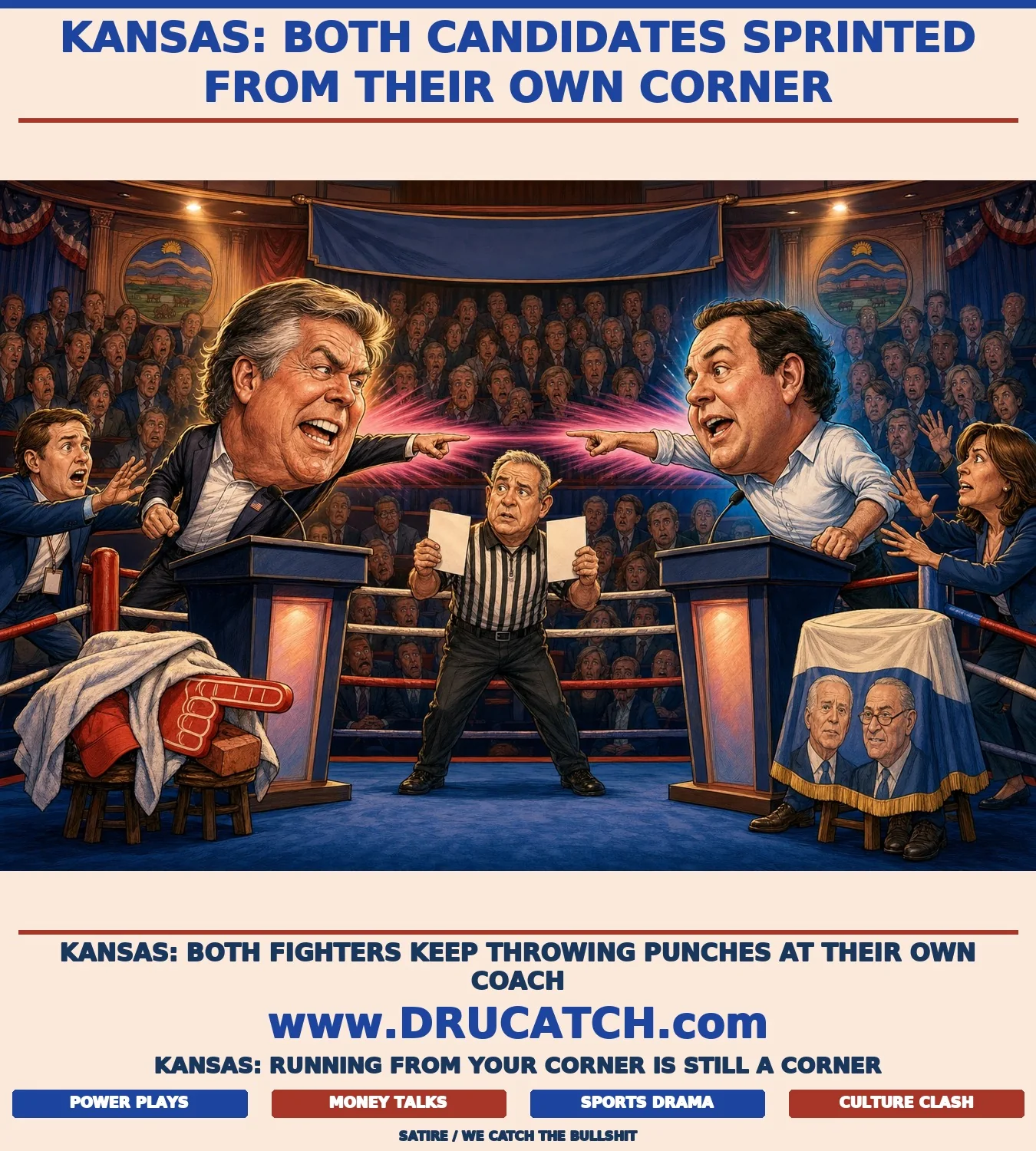
The party leadership handbook says you recruit the right candidate, consolidate the money, and ride your bench to a majority. What Thune and Schumer are actually doing in 2026 is squinting at a ballot that looks like a Tinder match they swiped left on - except the app ignored their preference and booked the date anyway.
In Texas, Thune's operation spent months trying to block Ken Paxton from the GOP nomination. Paxton won. Republicans are now reportedly spending more than $329 million on a race that is still described as a nail-biter against state Rep. James Talarico. That is a lot of money to spend on someone you tried to stop from representing you. In Georgia, Republicans couldn't get Gov. Brian Kemp off the porch, so Rep. Mike Collins took the nomination - and has since struggled to match fundraising pace with Sen. Jon Ossoff. On Schumer's side, his preferred candidate in Maine imploded, Minnesota's Peggy Flanagan publicly said she would not support him as leader, and Michigan's Abdul El-Sayed won a primary that polls had him up by double digits before squeaking through by one point.
The Alumni Network Is Actively Sabotaging You
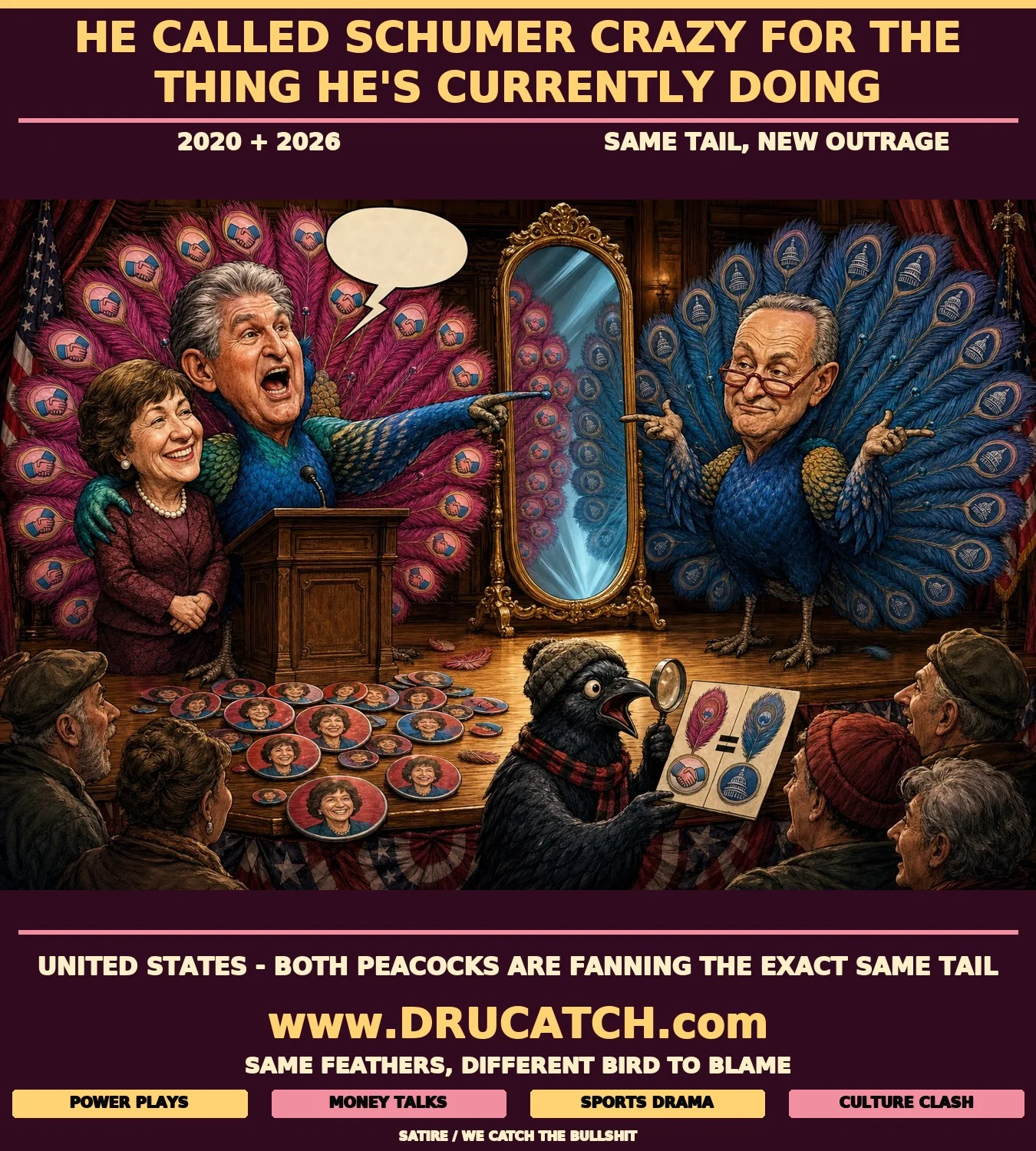
Here is the part the party brochures never mention: the Senate leadership model requires loyalty flowing in both directions. When it doesn't, you get Joe Manchin stumping for Susan Collins, Kyrsten Sinema voting in a Republican primary for Jay Feely, and Jeff Flake endorsing a Democrat in Georgia. That is not a party apparatus - that is three former senators doing whatever they want with full access to the donor rolodex. The leaders' ability to control their caucus apparently expires the moment the caucus stops needing them.
Manchin and Sinema both left their parties while still in office, which means their defection shouldn't surprise anyone. The more uncomfortable fact is that the institutional relationships Thune and Schumer spent decades building did not translate into any meaningful hold over what those members do the minute they're free of re-election pressure. The machinery of party loyalty, it turns out, runs on self-interest - and self-interest has a very short memory.
Smiling for a Candidate You Tried to Kill
The real absurdity is structural. Both Thune and Schumer will spend the next weeks publicly campaigning for nominees they privately wished were someone else, because the alternative - admitting their recruitment process failed - is worse than losing with the wrong candidate. That is the deal the leaders cut: absorb the embarrassment quietly, call it party discipline, and hope the fundraising math holds.
Voters in five states get to be the audience for a performance of party unity that nobody behind the curtain actually believes. The nominees know the leaders wanted someone else. The leaders know the nominees know. And the former colleagues who've gone rogue don't care either way - they've already changed their voter registration and kept the expense account.
THE COMMENTS SECTION HAS ENTERED THE CHAT
When party leaders publicly campaign for nominees they privately tried to stop, what does that tell us about what party "unity" actually means - and who it's really for?
Join the discussion / save / share