HOW DRU CATCH SEES IT
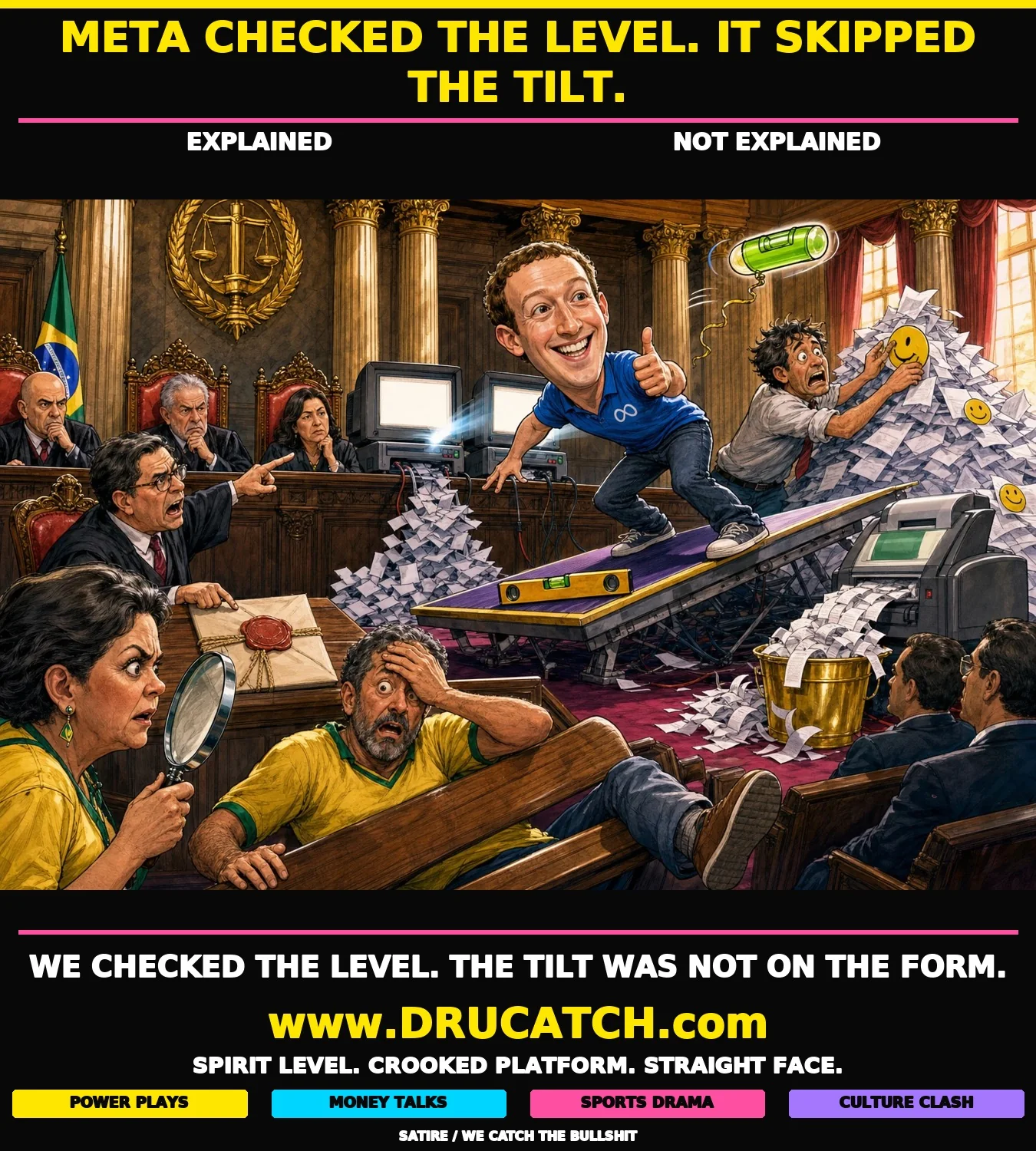
Meta Answered the Easy Questions and Filed the Hard One
Meta's statement is an impressive document. It explains the Reels counter freeze that affected more than 100 countries. It explains the one-day ad-creation outage. It explains the AI image loophole - a generic first-name collision with an electoral number that, purely by coincidence, kept blocking Lula's portrait while Bolsonaro's generated just fine for another full day. Meta has a documented explanation for everything. Everything, that is, except the specific thing a judge already flagged in writing: Bolsonaro's Instagram and WhatsApp channels receiving algorithmic recommendations in violation of Brazilian electoral law. On that, the press release simply stops talking. This is not transparency. This is a magician showing you both empty hands while the rabbit is already in a different zip code.
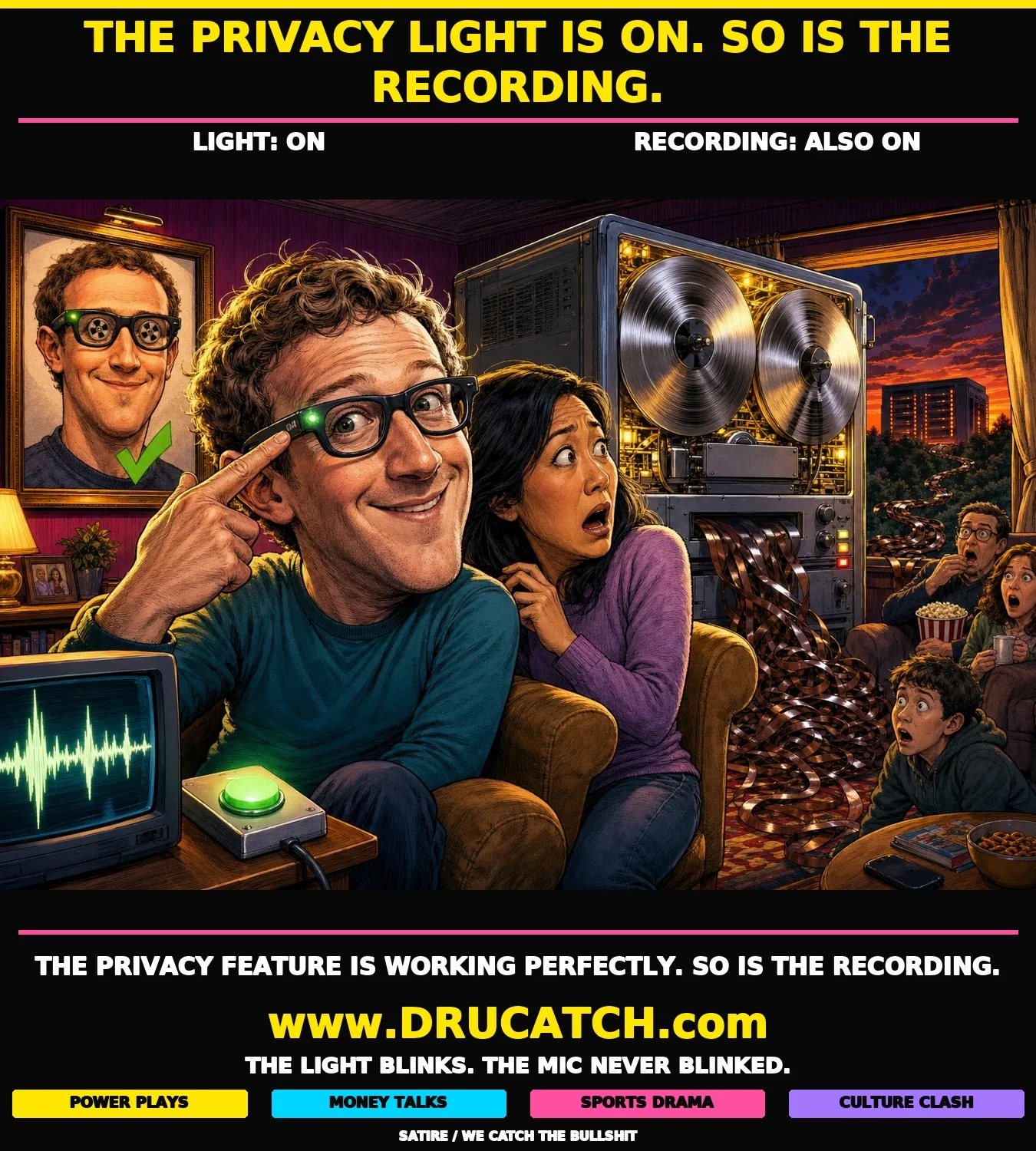
Follow the thread: Meta's Privacy Promise Was a Blinking Light. The Glasses Recorded Anyway..
One Full Day of Portraits for One Candidate
The loophole itself is worth a pause. The company's own fix timeline meant that for at least a day, a user trying to generate AI portraits of Brazil's president got nothing, while the same tool happily rendered the opposition candidate. Meta calls this a technical artifact. Fine. But when the Brazilian electoral court issues a ruling about unequal treatment and your statement then declines to address the court's specific finding - the algorithmic recommendations, not the image tool - the defense starts to sound less like an explanation and more like a very confident subject change.
Your Own Engineers Said It. Your Statement Didn't.
Folha de S. Paulo's leaked internal communications add texture the press release does not. Meta employees, per that reporting, acknowledged that Lula's campaign accounts were restricted from boosting certain posts. The company's public line attributed this to system failures and automated errors, which may well be true. But 'system failure' and 'no political bias' are not the same claim, and Meta's statement treats them as interchangeable. University of Rio de Janeiro researcher Marie Santini has described the company's pattern of negligence with electoral law as systematic across multiple countries - a charge the company has not addressed publicly.

THE COMMENTS SECTION HAS ENTERED THE CHAT
When a platform provides detailed technical explanations for every incident a campaign alleges but says nothing about the specific violation a court has already ruled on, does the silence count as a rebuttal - or a confirmation that the rebuttal does not exist?
Join the discussion / save / share