HOW DRU CATCH SEES IT
We Have Everything - Except Blueberry Crates, Refrigeration Equipment, and a Maine Senate Seat
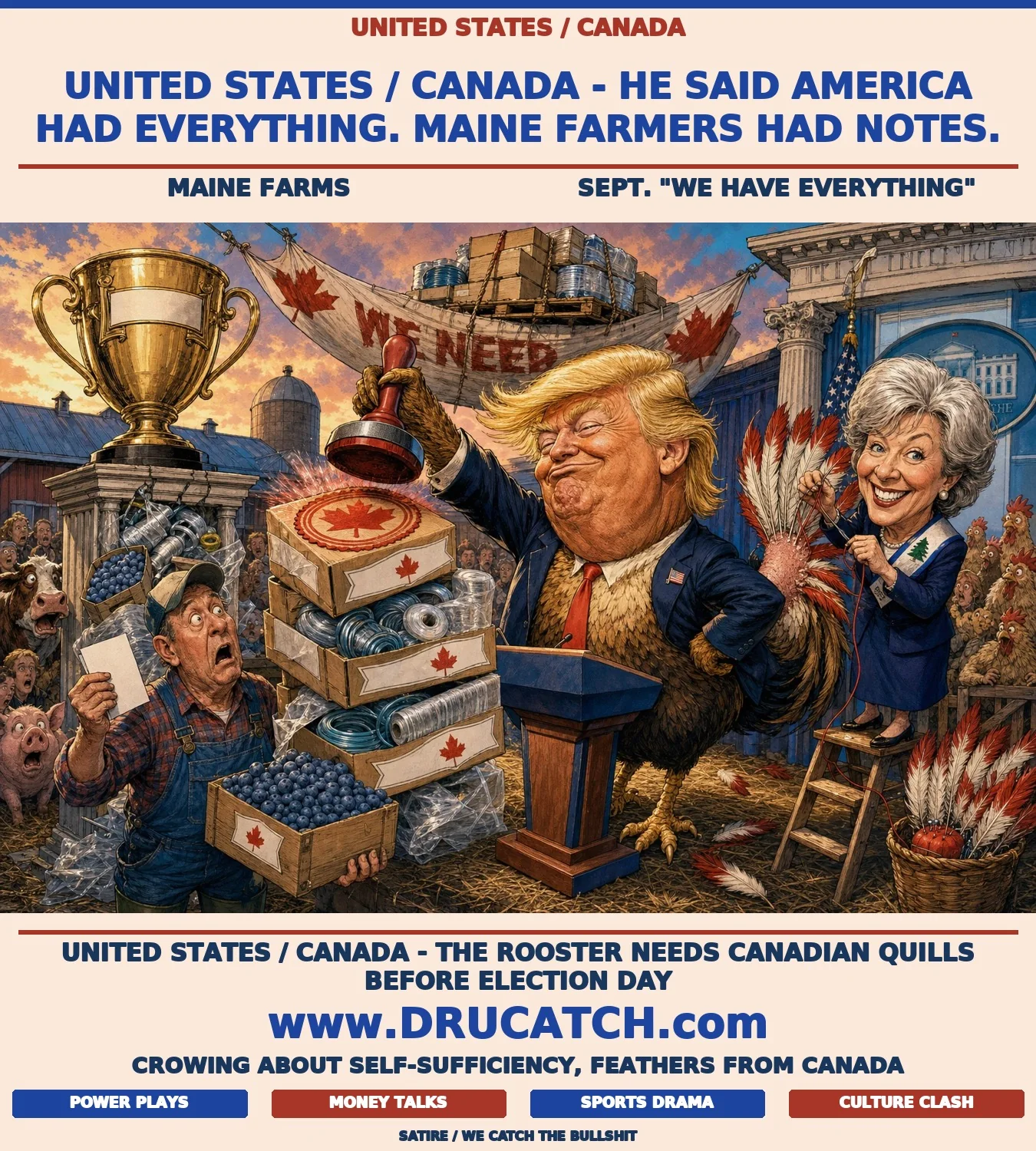
There is a particular flavor of political candor in watching an administration quietly return the very commodity its leader just declared nonexistent. In September, Trump assured Americans with full presidential authority that the U.S. holds every economic card and that Canada contributes nothing indispensable to the relationship. Then Maine's blueberry operations discovered they could not source domestic substitutes for their packaging crates and cold-storage gear. It turns out the sweeping claim of total self-sufficiency carried an asterisk: certain items, to be quietly carved out just ahead of a competitive Senate contest.
The Exemption Is the Confession
The chronology here bears significant weight. Collins publicly described the exempted goods as items domestic suppliers either do not stock or cannot provide without imposing steep additional costs on producers. That is not a minor administrative footnote. It is the foundational logic of the original 50% tariff regime unraveling approximately two months after it was applied. Read in plain language, the exemptions constitute an official acknowledgment - expressed through the grammar of trade procedure - that the Canada duties were creating real damage to Republican-held seats heading into November, a conclusion the underlying reporting makes explicit.
The Press Release Trump Isn't On
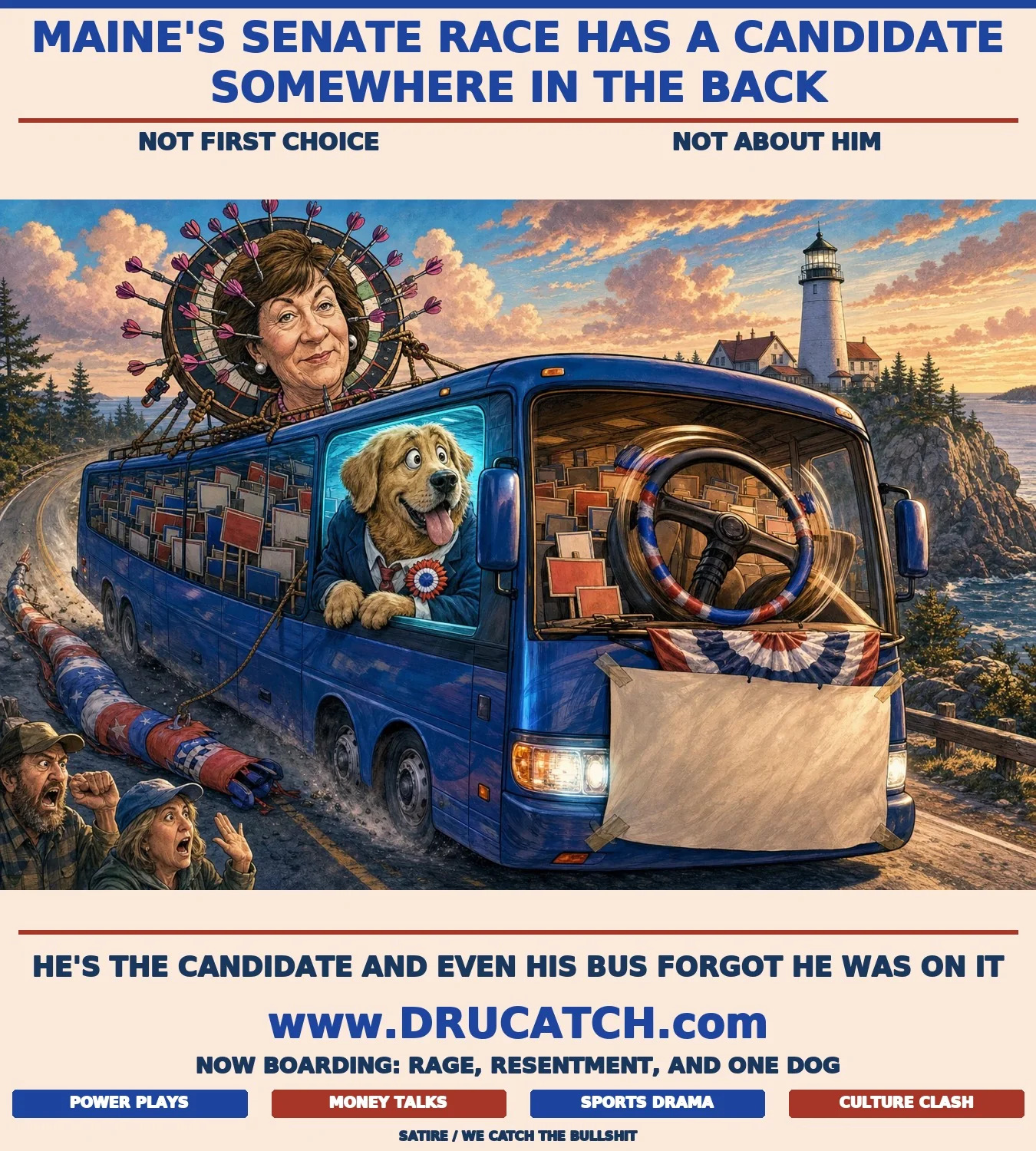
Collins' statement is a finely calibrated exercise in attribution management. She credited Trade Representative Jamieson Greer and Commerce Secretary Howard Lutnick by name. The president who authored the tariff regime did not appear in her announcement at all. The arrangement distributes the rewards efficiently: the administration collects a modest policy concession; the senator navigating a difficult re-election captures the constituent-friendly headline; and the September rhetoric about needing nothing from Canada gets quietly retired alongside the packaging film. An administration that waged a trade dispute on the premise of absolute self-sufficiency, then issued exemptions for goods its own constituents demonstrably cannot replace domestically, has answered its own underlying question - the dispute was always a leverage exercise, not a declaration of genuine economic independence.
THE COMMENTS SECTION HAS ENTERED THE CHAT
When a president publicly insists a country has nothing the U.S. needs, then grants tariff exemptions on that country's products right before a key election, should voters treat the original claim - or the exemption - as the real trade policy?
Join the discussion / save / share