HOW DRU CATCH SEES IT
The Favour That Officially Wasn't a Favour
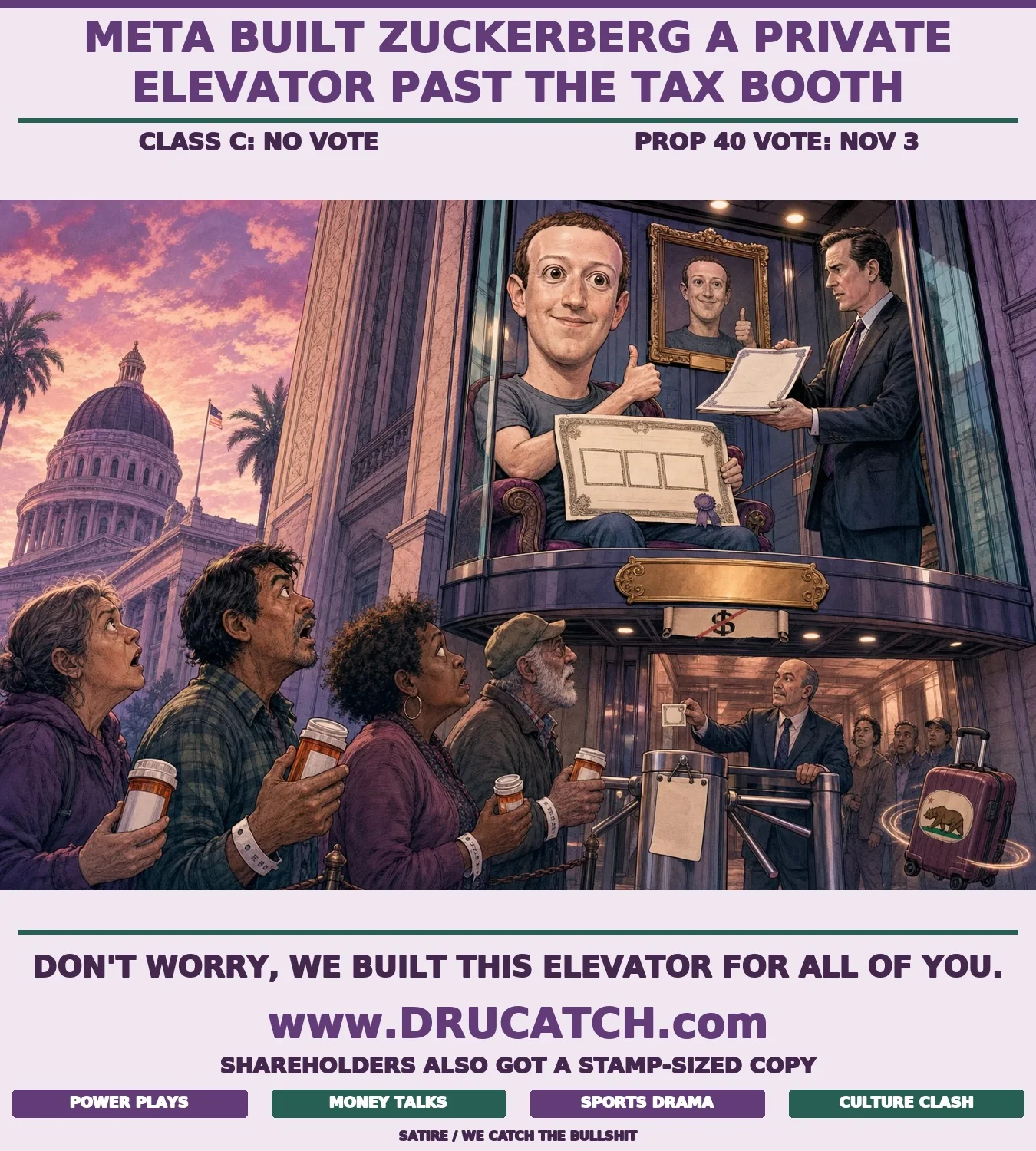
There is a special category of corporate document that accidentally reveals everything about power while trying to describe a routine administrative matter. Meta's shareholder letter of October 21, 2026 is a masterpiece of the genre. In formal, measured language, it informs investors that the company restructured its own capital because its CEO told it he might leave the state if a tax bill passed - and the company, represented by a Special Committee, decided that was an existential emergency requiring a bespoke financial instrument. The instrument, conveniently, was approved by votes that Zuckerberg's existing shares already control.
The breathtaking part is the framing. Meta does not say 'we did this for Zuckerberg.' It says the Special Committee 'believed it is critically important' for him to remain in California for the good of shareholders, during 'this era of unprecedented challenge and competition.' His potential departure was recast as a corporate risk. His tax bill became a shareholder concern. A new stock class that lets him sell up to 20% of his Class C shares - representing 10% of his economic stake - was presented as a dividend benefit extended to all shareholders.
The Circular Math of Owning Everything
This is the landlord who owns the building, the bank, and the city council voting to exempt himself from the staircase toll and mailing a notice to tenants explaining it was done for their convenience. The logic is so circular it could generate its own power: Zuckerberg controls enough Meta stock to potentially owe $11.2 billion in taxes under Proposition 40, per Moneywise's reporting. Meta then creates new stock so he can liquidate without losing control of the very stock that created the tax bill. The Special Committee frames the whole arrangement as protecting shareholders from the risk of losing the man who controls the shareholders.
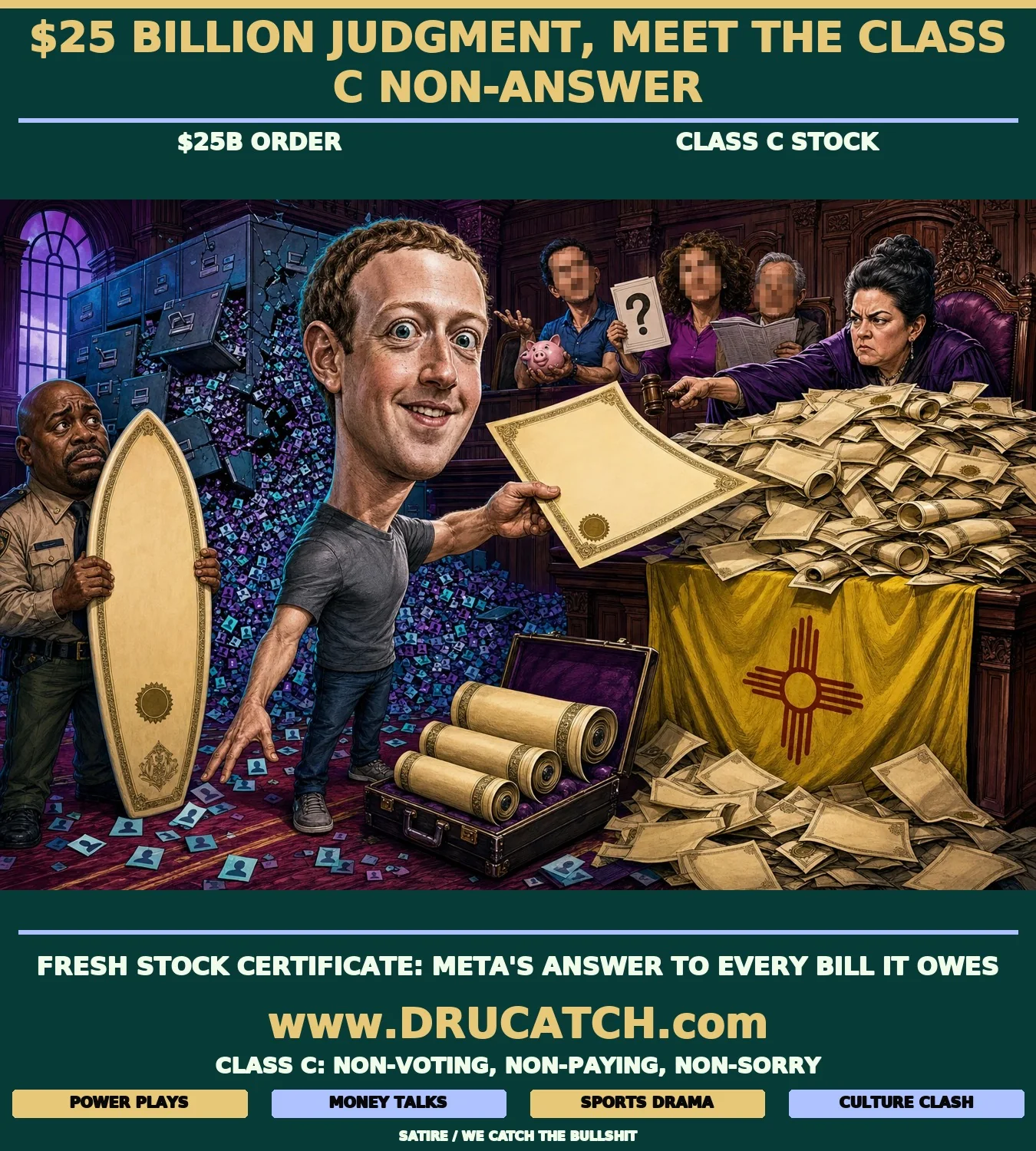
The announcement's timing is its own editorial comment. According to Moneywise, the shareholder letter dropped the same day a New Mexico judge reportedly issued a $25 billion judgment against Meta in a Cambridge Analytica-related privacy case. The company was apparently too busy managing the CEO's hypothetical state residency to address that particular headline first.
The Party That Didn't Get a Shareholder Letter
California's Proposition 40 earmarks 90% of its revenue for state healthcare costs, per the source reporting. That money would go to California residents. Those residents do not appear anywhere in Meta's letter. They are the silent third party in a negotiation conducted entirely between Zuckerberg and Zuckerberg's other vote. The letter mentions his 'potential tax liability.' It mentions his 'majority voting control.' It mentions the Special Committee's deep concern for his physical presence in the state. It does not mention the people the tax was written to fund.
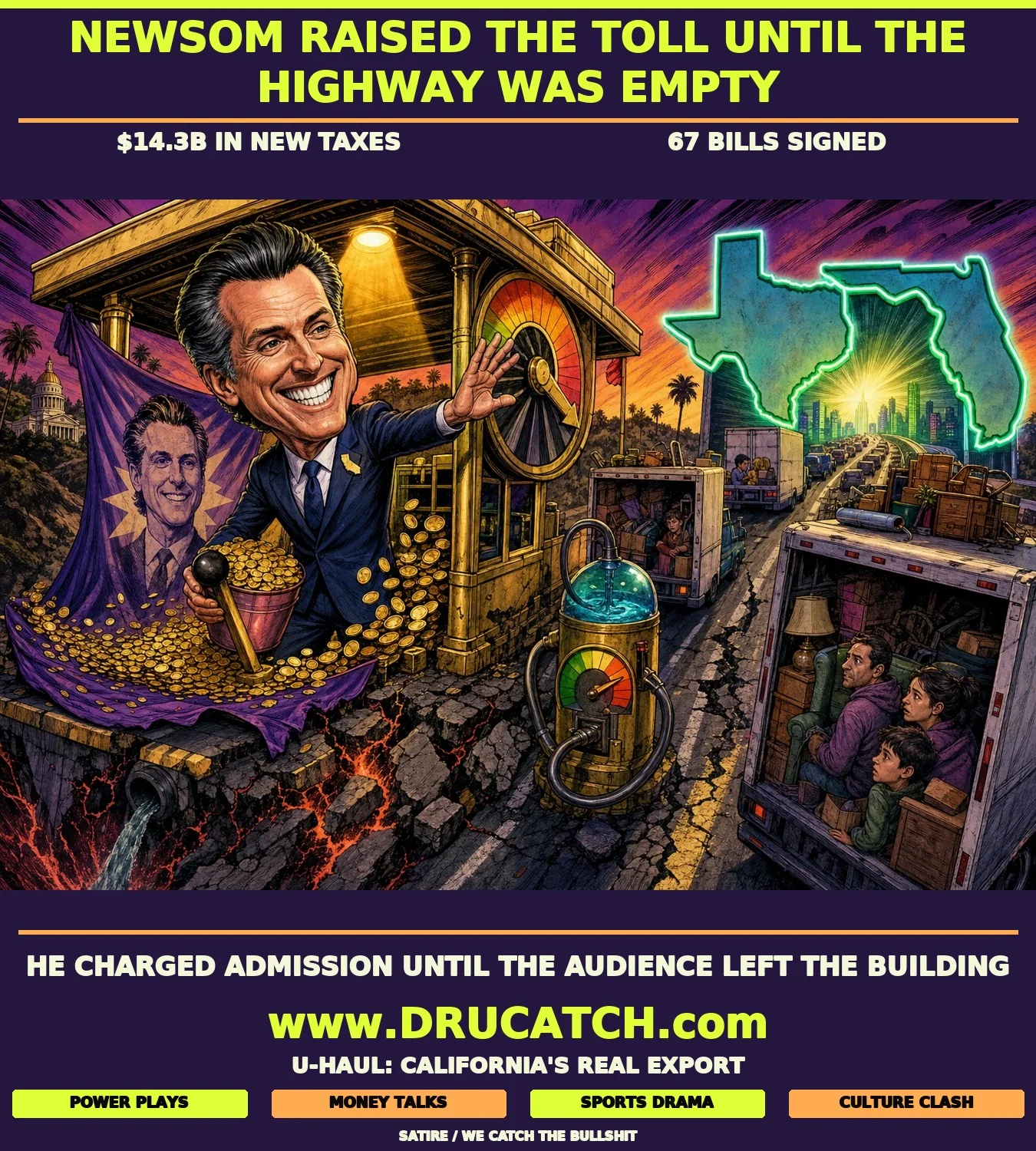
Governor Gavin Newsom also opposes Proposition 40, reportedly citing fears that wealthy residents will leave if it passes - which is to say, the state's elected leader opposes a healthcare tax partly because the people it would tax have made clear, loudly and formally in shareholder communications, that they will leave. The threat worked on the company. It appears to be working on Sacramento too. The California public remains the only party in this story that did not get a formal memo explaining how all of this was done for their benefit.
THE COMMENTS SECTION HAS ENTERED THE CHAT
When a company's board approves a financial instrument specifically designed to solve its CEO's personal tax problem - and frames it as a shareholder service - where does corporate governance end and personal wealth management begin?
Join the discussion / save / share